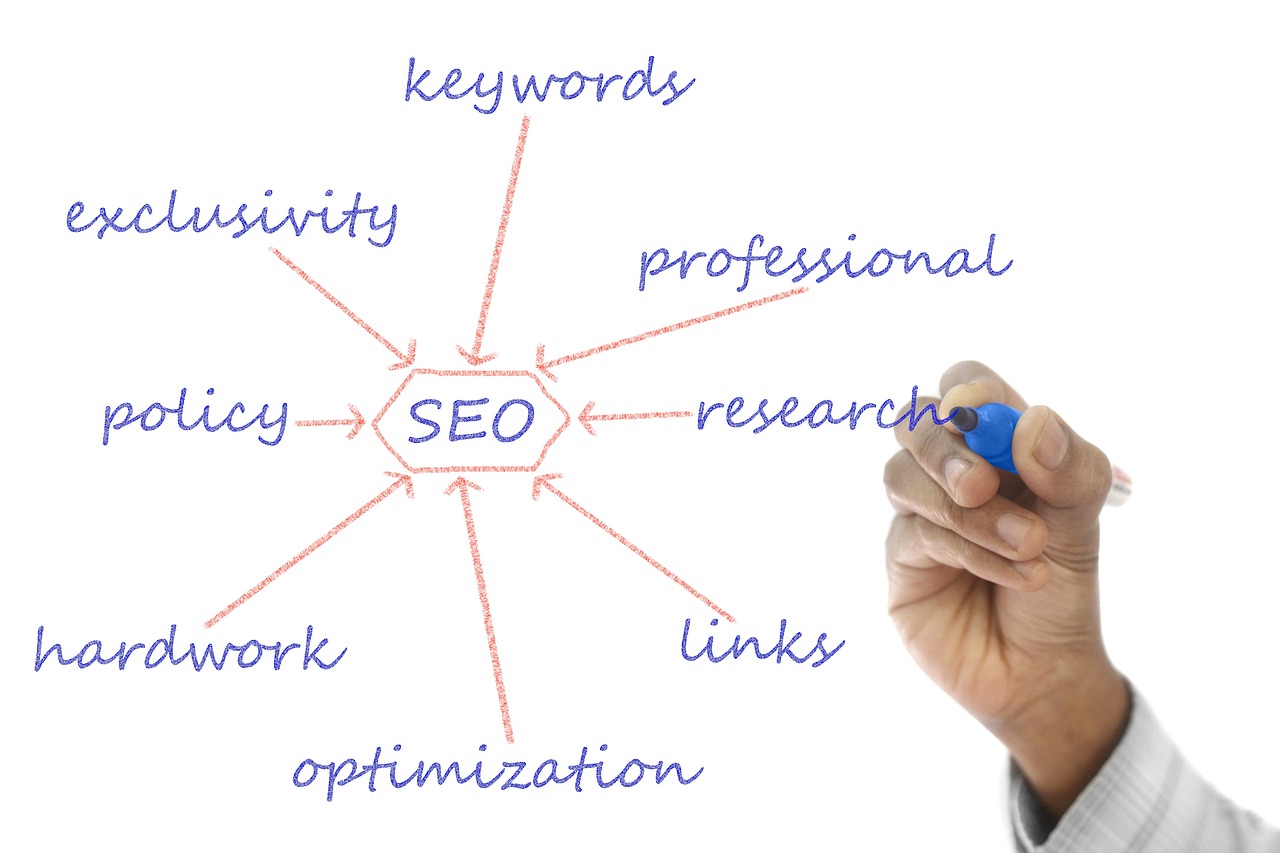
A link profile is the complete collection of backlinks that point to a website, representing one of the most important factors in search engine optimization (SEO). It reflects how other websites on the internet reference, endorse, and connect to your content. Search engines like Google analyze a website’s link profile to determine its authority, relevance, and trustworthiness. A strong and natural link profile can significantly improve search engine rankings, while a weak or spammy one can lead to penalties or reduced visibility.
At its foundation, a link profile includes several elements such as the total number of backlinks, referring domains, anchor text distribution, link quality, and link diversity. Each of these components contributes to how search engines evaluate a website. For instance, having backlinks from a wide range of unique domains is generally more valuable than having multiple links from the same source. This is because diverse links indicate broader recognition and authority across different platforms and audiences.
One of the most critical aspects of a link profile is link quality. High-quality backlinks come from authoritative, relevant, and trustworthy websites. These links carry more weight in search engine algorithms and can significantly boost a website’s ranking. Tools like Ahrefs, SEMrush, and Moz are commonly used to analyze link profiles and assess the quality of backlinks. These tools provide metrics such as domain authority, spam score, and referring domain strength, helping marketers make informed decisions about their link-building strategies.
Anchor text distribution is another essential component of a link profile. Anchor text refers to the clickable words used in a hyperlink. A natural link profile includes a mix of different types of anchor text, such as branded anchors (using the company name), generic anchors (like “click here”), and keyword-rich anchors. Overusing exact-match keywords in anchor text can appear manipulative and may trigger penalties from search engines. Therefore, maintaining a balanced and natural anchor text distribution is crucial for long-term SEO success.
Local SEO also benefits from a strong link profile. Backlinks from local directories, news websites, and community platforms can improve a business’s visibility in local search results. Consistent business information across different platforms further enhances credibility and helps search engines verify the authenticity of a business.
Despite its importance, building and maintaining a strong link profile can be challenging. It requires time, effort, and a strategic approach. Businesses must continuously adapt to changes in search engine algorithms and industry trends. Ethical practices, transparency, and a focus on user value are essential for long-term success.
In conclusion, a link profile is a critical component of SEO that reflects the overall health and authority of a website. By focusing on high-quality backlinks, maintaining diversity and relevance, monitoring performance, and adhering to ethical practices, businesses can build a strong and sustainable link profile. This not only improves search engine rankings but also enhances brand credibility, drives traffic, and supports long-term growth in the competitive digital landscape.